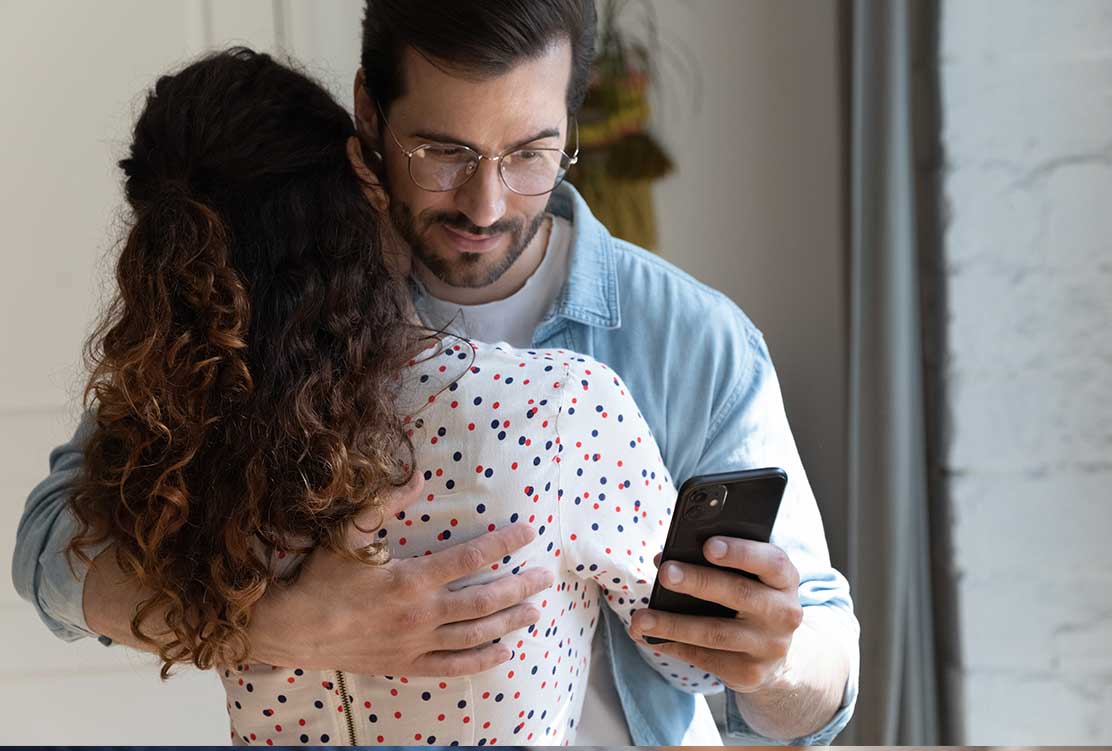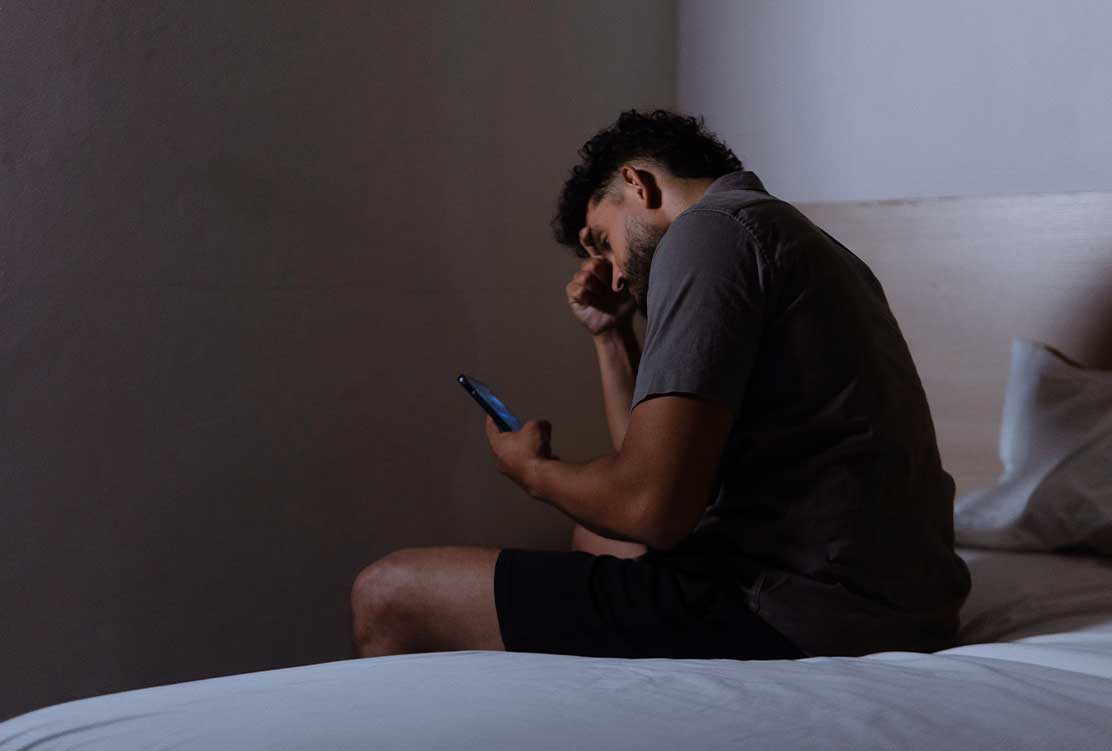

Pornography does not usually destroy a person all at once. It works more quietly than that. It enters through curiosity, boredom, stress, loneliness, or escape, and over time it can begin to change what a person values, what they expect from others, and how they see themselves. What may start as something private or casual can slowly become a habit that weakens discipline, damages self-respect, and lowers the standard a person has for their own life.
One of the most damaging effects of pornography is that it trains the mind to separate pleasure from responsibility. Instead of building real connection, patience, communication, and character, pornography offers instant stimulation with no commitment, no sacrifice, and no real human care. This can make ordinary life feel less exciting, real relationships feel more difficult, and healthy intimacy feel less valuable. A person can begin to chase images instead of building a life, a marriage, a family, or a future they are proud of.
Pornography can also damage the way a person views other people. It reduces human beings to bodies, fantasies, and objects of use. When someone repeatedly consumes this type of content, it can become easier to look at others with selfishness instead of respect. This is especially harmful in dating, marriage, and family life, because love requires seeing another person as valuable, whole, and worthy of honor. A relationship cannot stay strong if one person is constantly comparing their partner to artificial images or unrealistic scenarios online.
The damage is not only sexual. Pornography can affect confidence, motivation, productivity, and emotional stability. Many people feel guilt, secrecy, shame, or isolation around the habit, but instead of addressing it, they hide it. That secrecy can weaken their ability to be honest with themselves and with the people closest to them. Over time, the habit can create a private world that competes with real life, real love, and real responsibility.
The good news is that a person can change direction. The first step is not to live in shame, but to be honest. If pornography has become part of your life, ask what it is costing you. Is it affecting your marriage? Is it changing the way you view women or men? Is it lowering your energy, your standards, your focus, or your respect for yourself? Real improvement begins when you stop defending the habit and start protecting the kind of person you want to become.
A healthier life requires boundaries. That may mean removing access to certain apps or websites, limiting screen time, avoiding social media accounts that trigger lust or comparison, and replacing private destructive habits with productive routines. It may also mean speaking honestly with a spouse, mentor, counselor, pastor, or trusted friend. The goal is not just to stop looking at pornography. The goal is to rebuild self-control, integrity, respect, and real connection.
For additional moral education and practical guidance, The Way to Happiness offers resources focused on honesty, responsibility, self-respect, and better living. The program describes itself as a nonreligious guide developed to help people live happier and more fulfilling lives, with materials and courses available online. You can learn more here: https://www.scientology.org/how-we-help/way-to-happiness/
Pornography does not have to define your life. A person can step away from destructive patterns and choose something better. Real happiness is not found in secrecy, lust, or endless online stimulation. It is found in self-respect, honest relationships, discipline, purpose, and treating other people with dignity.