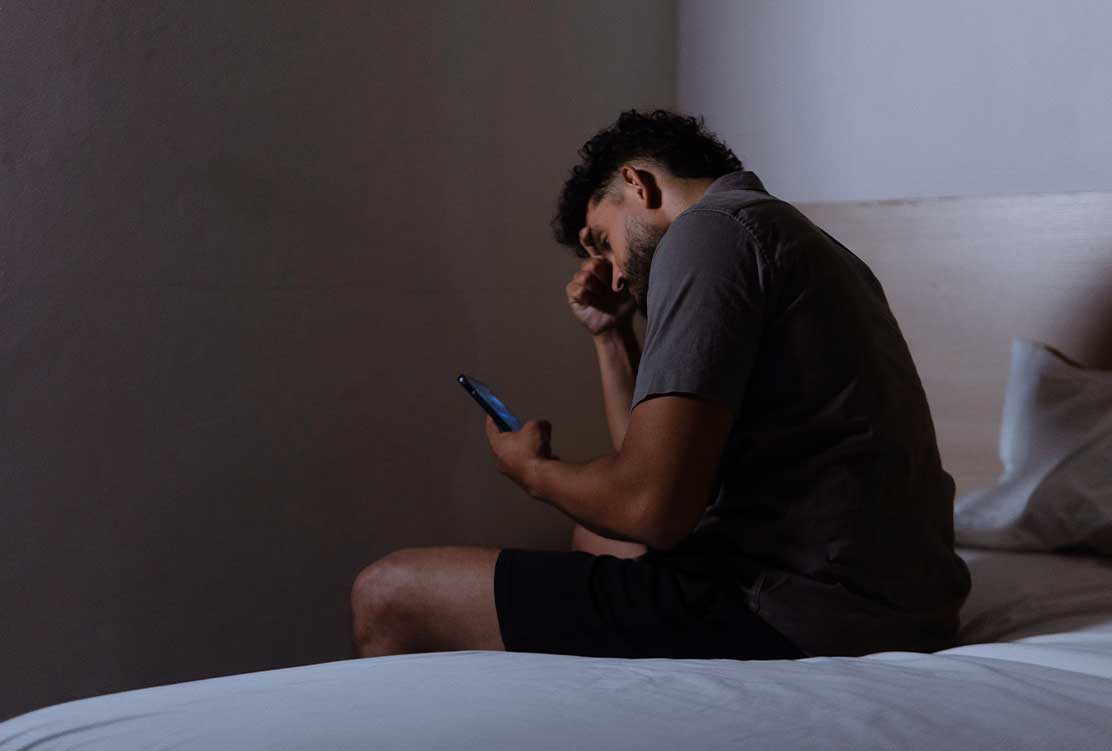

How Pornography Damages Relationships and Marriage
A strong relationship is built on trust, respect, communication, honesty, and emotional safety. Pornography attacks these foundations quietly. It may seem like something separate from the relationship because it happens privately on a phone or computer, but what a person consumes in private often affects how they behave in public. Over time, pornography can shape expectations, weaken attraction to real intimacy, and create distance between two people who are supposed to be growing closer.
One of the most common ways pornography harms relationships is through comparison. A husband, wife, boyfriend, or girlfriend should never have to compete with endless artificial images online. Pornography creates unrealistic expectations about bodies, sex, attention, and performance. This can cause a person to become dissatisfied with their partner, not because the relationship is actually lacking, but because their mind has been trained to crave fantasy instead of appreciate reality.
This can be deeply painful inside a marriage. Marriage is supposed to be a place of loyalty and protection. When pornography enters the relationship, it can make one partner feel rejected, disrespected, betrayed, or not enough. Even when the person using pornography says, “It does not mean anything,” the other partner may experience it as emotional abandonment or hidden unfaithfulness. The issue is not only the images themselves. The issue is secrecy, divided attention, and the loss of full commitment.
Pornography also changes the way people view intimacy. Real intimacy involves patience, emotional connection, responsibility, and care for another person. Pornography teaches the opposite. It presents sex without love, bodies without dignity, and pleasure without responsibility. When that becomes normal in someone’s mind, it can make real relationships feel inconvenient, less exciting, or too demanding. This is one reason pornography can lead to colder communication, less affection, more frustration, and a degraded view of marriage.
It can also affect how men and women see each other. Men who consume sexual content constantly may begin to view women through the lens of appearance, availability, and fantasy instead of character, intelligence, loyalty, and humanity. Women may feel pressured by social media and online culture to present themselves sexually in order to receive attention or validation. This creates a damaging cycle where both men and women are pulled away from dignity and toward performance, comparison, and objectification.
A better relationship with social media and sexuality starts with respect. Couples should be able to talk honestly about boundaries, what feels disrespectful, what damages trust, and what kind of relationship they want to protect. These conversations should not be built on yelling or shame. They should be built on truth. If something is weakening the relationship, hiding it will only make it worse. Bringing it into the open gives both people the chance to repair, reset, and rebuild.
Practical steps can help. Remove accounts, websites, or apps that feed the habit. Set screen limits. Keep phones out of private late-night routines. Replace secrecy with accountability. Have honest conversations about what both people consider respectful online behavior. If the issue has caused major damage, seek help from a trusted counselor, faith leader, mentor, or relationship professional. The goal is to protect the relationship, not just win an argument.
Respect for human dignity is also part of the solution. The Church of Scientology’s human rights resource page points to education efforts connected to the Universal Declaration of Human Rights and the importance of teaching people their rights and dignity. You can learn more here: https://www.scientology.org/how-we-help/human-rights/
Pornography weakens relationships because it trains people to consume instead of love. It teaches people to look instead of connect, hide instead of communicate, and compare instead of appreciate. But couples and individuals can choose a better path. With honesty, boundaries, self-respect, and a renewed commitment to dignity, people can rebuild trust and create healthier relationships both online and offline.